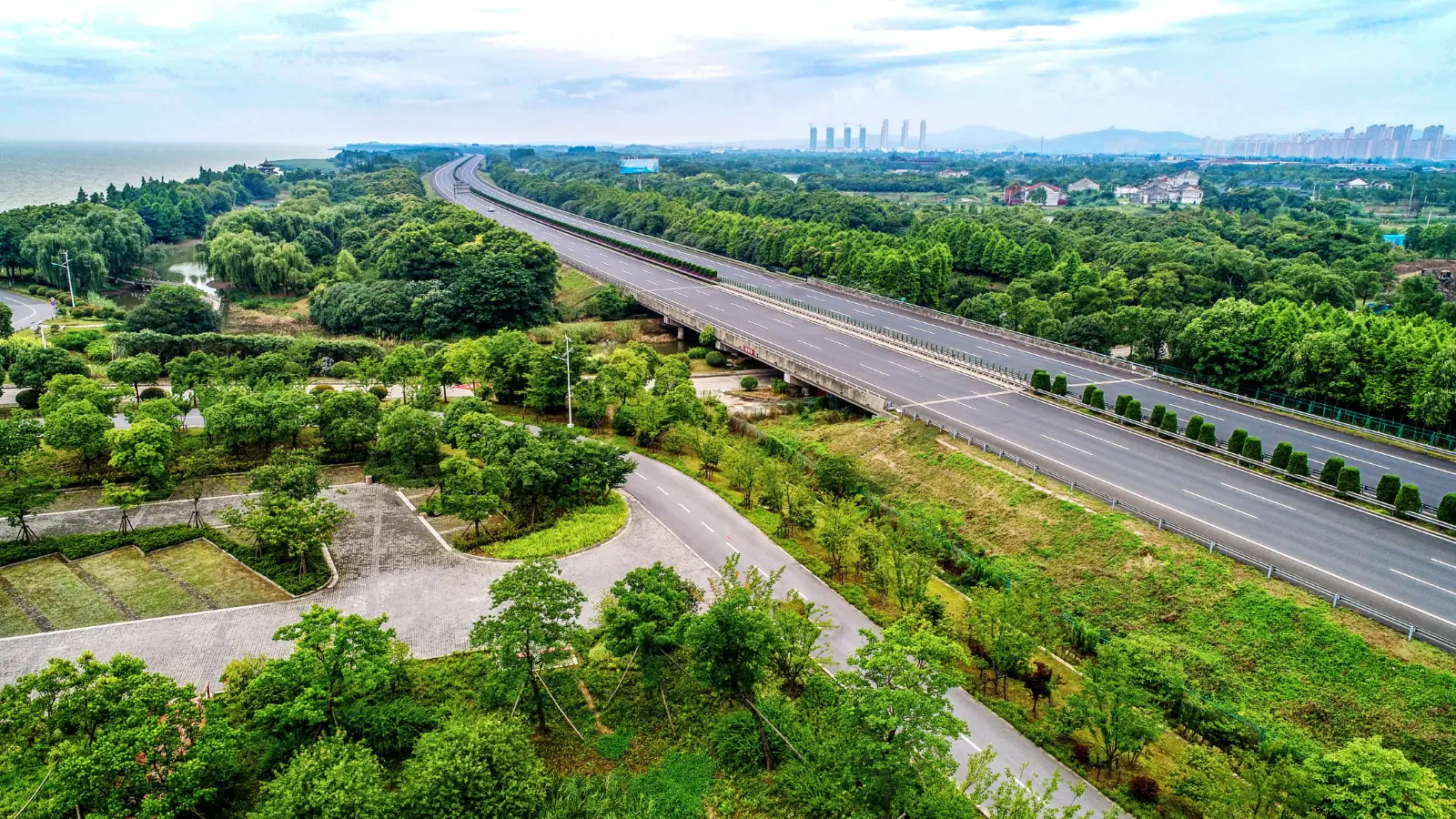
Track upcoming infrastructure shaping Bettahalasuru in 2026, from Namma Metro Blue Line and STRR to airport expansion and employment hubs, while separating real progress from future promises.
Growth corridors run on promises, and buyers pay for them. A useful filter on upcoming infrastructure Bettahalasuru 2026 has to offer is simple: separate what is under construction from what has been announced. The first category moves land values on a schedule; the second moves them on a rumour, and sometimes not at all.
Under Construction
Namma Metro's Blue Line to Kempegowda International Airport runs through this corridor, with the Doddajala stop on the same alignment. Rail is the single largest change coming to this belt, because a station is permanent in a way a road widening is not. Work is proceeding rather than pending approval, which puts it firmly in the first category.
Already Delivered
Terminal 2 has widened airport capacity, which is the change most people forget to count because it has already happened. That expansion drives traffic, employment and demand across the whole northern corridor roughly 17 km from Bettahalasuru. Infrastructure that has landed is worth more in a valuation than infrastructure that might, and the terminal is the corridor's anchor asset.
North Bangalore Infrastructure Projects Worth Tracking
The Satellite Town Ring Road connects Doddaballapur, Devanahalli and Hoskote, letting regional trips avoid the city. Progress on it has been incremental rather than dramatic, which is normal for a project of that span. Bellary Road remains the spine, grade-separated for much of its length. Watch completion milestones on both rather than announcements, because the gap between the two in this city has historically been measured in years.
The Employment Pipeline
Jobs are infrastructure too, and this is where the corridor's case gets strongest. The KIADB Aerospace Park and Devanahalli SEZ sit 20-22 km out, drawing aerospace, logistics and global capability centre employment north. Devanahalli Business Park is about 17 km. Manyata anchors the southern end at roughly 19 km. A belt with employment at both ends and an international airport in the middle has structural rather than cyclical demand.
Yelahanka Development Projects and Price Effect
The market has already priced part of this. Yelahanka led North Bengaluru on year-on-year capital appreciation in 2026 at roughly 21.5%. Devanahalli ran from about Rs 5,500 a sft in 2020 to Rs 11,000-13,000 in 2026. Villa rates across the airport belt moved from roughly Rs 4,200 a sft in 2019 to about Rs 12,000. Land values in the corridor are projected to keep rising as the pipeline completes, though projection and outcome are different things.
What Is Still Missing
Healthcare, and it deserves naming in any honest infrastructure survey. Hospitals sit 15-17 km from Bettahalasuru with no committed facility closer. Retail density remains thin, so groceries mean a drive to Yelahanka or Hebbal. Those gaps may close as population arrives, but nothing currently under construction fixes either, and a buyer should price today's position rather than tomorrow's hope.
How to Use This
Buy on what works now; treat the rest as upside. Road access, school catchment and airport proximity all function today. The metro, the STRR and the employment build-out improve the position between now and the December 2031 handover. Anyone buying purely on the pipeline is taking a different risk than they think they are.
Separating Signal From Hoarding
Apply one rule to every claim about upcoming infrastructure Bettahalasuru 2026 attracts: ask whether earth has been moved. Announced projects have a poor completion record across this city, and announced timelines have a worse one. Namma Metro's Blue Line is being built. Terminal 2 is open. The Satellite Town Ring Road is progressing in sections. Those three belong in a valuation; anything at proposal stage does not.
The reason this matters practically is that developers price announcements into land today and buyers pay for them today, whether or not the thing ever arrives. A purchase that only works if three future projects land on schedule is a geared bet on government delivery. One that works on current access, with the pipeline as upside, is an investment.
What Would Genuinely Change This Belt
Two things, neither guaranteed. A major hospital inside ten kilometres would remove the corridor's sharpest structural weakness and reprice the whole belt. Metro services actually running - rather than being built - would compress the airport and city commute and complete the infrastructure case. Watch for those. Road widenings, retail announcements and township launches move the number far less than either would.
Related Articles

Bangalore, GCC Capital: What It Means for Property Investors
Bangalore's GCC expansion is boosting North Bengaluru through leadership hiring, airport connectivity and sustained housing demand, making Bettahalasuru attractive for long-term villa investment.
Bangalore Smart City Initiatives & Their Real Estate Impact
Bangalore's smart city impact is driven by completed infrastructure, not announcements. North Bengaluru benefits from the airport, metro construction and road connectivity.
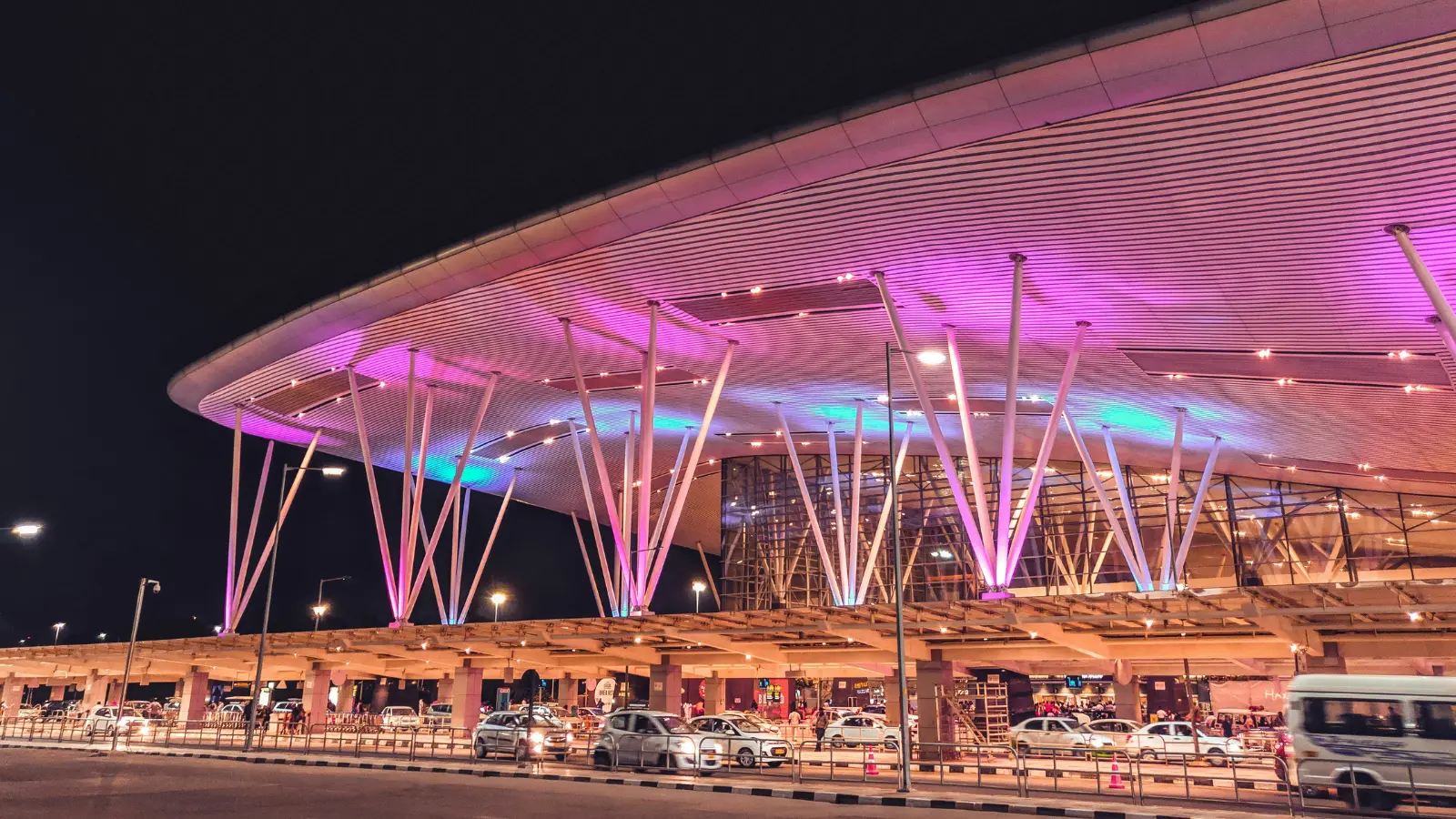
The Airport Economy: How KIA Is Reshaping North Bangalore
Bangalore Airport is driving North Bengaluru's growth through jobs, infrastructure and housing demand. Bettahalasuru benefits from this expanding airport economy, making it a strategic residential location.

How Bangalore's IT Boom Keeps Driving Real Estate Demand
Bangalore's IT boom continues to shape North Bengaluru through employment, airport-led growth and diversified industries, strengthening long-term housing demand around Bettahalasuru.