
Bangalore's IT boom continues to shape North Bengaluru through employment, airport-led growth and diversified industries, strengthening long-term housing demand around Bettahalasuru.
Bangalore IT boom real estate demand is the oldest story in this market and the least examined. Technology employment built the city's property prices over three decades, which everyone knows. What matters now is where that demand is going next, because it has started moving in a direction the received wisdom has not caught up with.
The Original Pattern
Employment arrived first and housing chased it. Campuses landed east and south, workers needed homes within a tolerable commute, developers bought the land inside that radius, and prices rose fastest at the edge of the commute band. That sequence repeated for twenty-five years and produced the corridors everyone now treats as permanent. IT corridor property Bangalore markets were built by that logic rather than by planning.
What Changed
An airport landed 30 km north of the centre and the logic ran again, this time in a new direction. Kempegowda International Airport anchored the northern corridor, Terminal 2 later widened capacity, and employment followed - the KIADB Aerospace Park and Devanahalli SEZ at 20-22 km from Bettahalasuru, Devanahalli Business Park at roughly 17 km, and a wave of global capability centres. Manyata Business Park anchors the corridor's southern end at about 19 km.
The Numbers That Followed
Yelahanka led North Bengaluru on year-on-year capital appreciation in 2026 at roughly 21.5%. Devanahalli moved from about Rs 5,500 a sft in 2020 to Rs 11,000-13,000 in 2026, compounding near 13.5%. Villa rates across the airport belt ran from roughly Rs 4,200 a sft in 2019 to about Rs 12,000. Wider Bengaluru is forecast at around 10-12% price growth in 2026, with the airport corridor expected to run ahead of the city average.
Why Technology Demand Is Different
Two characteristics matter to a buyer. Technology salaries are high and rise faster than inflation, which supports both purchase prices and rents in a way manufacturing employment does not. And the workforce is mobile - people relocate for roles, which creates rental demand alongside purchase demand. Grade-A villa yields in this belt run roughly 3.5-4% of property cost semi-furnished and 4-4.5% furnished, sustained by exactly that pool.
Bangalore Tech Growth Housing Needs Now
The composition has shifted upward. Early technology employment created demand for affordable and mid-segment housing near campuses. Twenty-five years on, that cohort is senior - country heads, global capability centre leadership, founders who exited. Bangalore tech growth housing demand at the top of the market is a maturity effect rather than a new phenomenon, and it explains why a 95-villa community at Rs 25 crore has a buyer pool at all.
The Honest Caveats
Three. Technology employment is cyclical, and a global downturn reaches Bengaluru within two quarters. Automation and shifting delivery models change headcount assumptions that underpinned twenty years of demand. And a corridor that grew on one industry carries concentration risk, however good the current numbers look. None of that is predicted; all of it is possible, and a ten-year buyer should hold it in mind.
Why the North Is Better Placed
Diversity, relatively speaking. The eastern corridor is technology-weighted almost exclusively. By contrast, the northern belt carries aerospace manufacturing, logistics, the airport economy itself and global capability centres alongside technology. That mix does not make it recession-proof - nothing is - but it spreads the exposure across more than one industry, which is a structural difference rather than a marketing one.
What a Buyer Should Take From It
Employment is the leading indicator; everything else lags. Track hiring at the aerospace park, Devanahalli Business Park and the corridor's global capability centres rather than reading price headlines. A belt gaining senior roles reprices for a decade. One gaining warehouses does not. Ask our team what has actually taken space nearby rather than what has been announced - the distinction is the whole game.
The Cycle Nobody Prices
Bangalore IT boom real estate demand has run for so long that most buyers treat it as weather rather than climate. It is neither - it is an industry, and industries move. Global technology spending contracts, delivery models shift, and headcount assumptions that underpinned twenty years of housing demand get revised. A ten-year buyer should hold that possibility without being paralysed by it.
The practical hedge is not timing but selection. A belt with employment across aerospace, logistics, the airport economy and technology absorbs a single-industry contraction better than one built on technology alone. That is a structural difference between Bengaluru's north and its east, and it is worth more than any forecast about either.
What to Actually Watch
Three indicators, all public and all more useful than price headlines. Net hiring at the corridor's employers rather than announced investment. Office absorption in the north, because space taken is space paid for. And rental movement at the top of the market, which turns before capital values do. Those lead; prices lag, and buyers reading only the second are reading the slowest signal available.
Related Articles

Bangalore, GCC Capital: What It Means for Property Investors
Bangalore's GCC expansion is boosting North Bengaluru through leadership hiring, airport connectivity and sustained housing demand, making Bettahalasuru attractive for long-term villa investment.

Inside the Embassy Eden Clubhouse: Amenities for 95 Homes
Embassy Eden's clubhouse is designed for just 95 villas, offering spacious amenities, a pool, parks and wellness facilities with low crowding and walkable access.
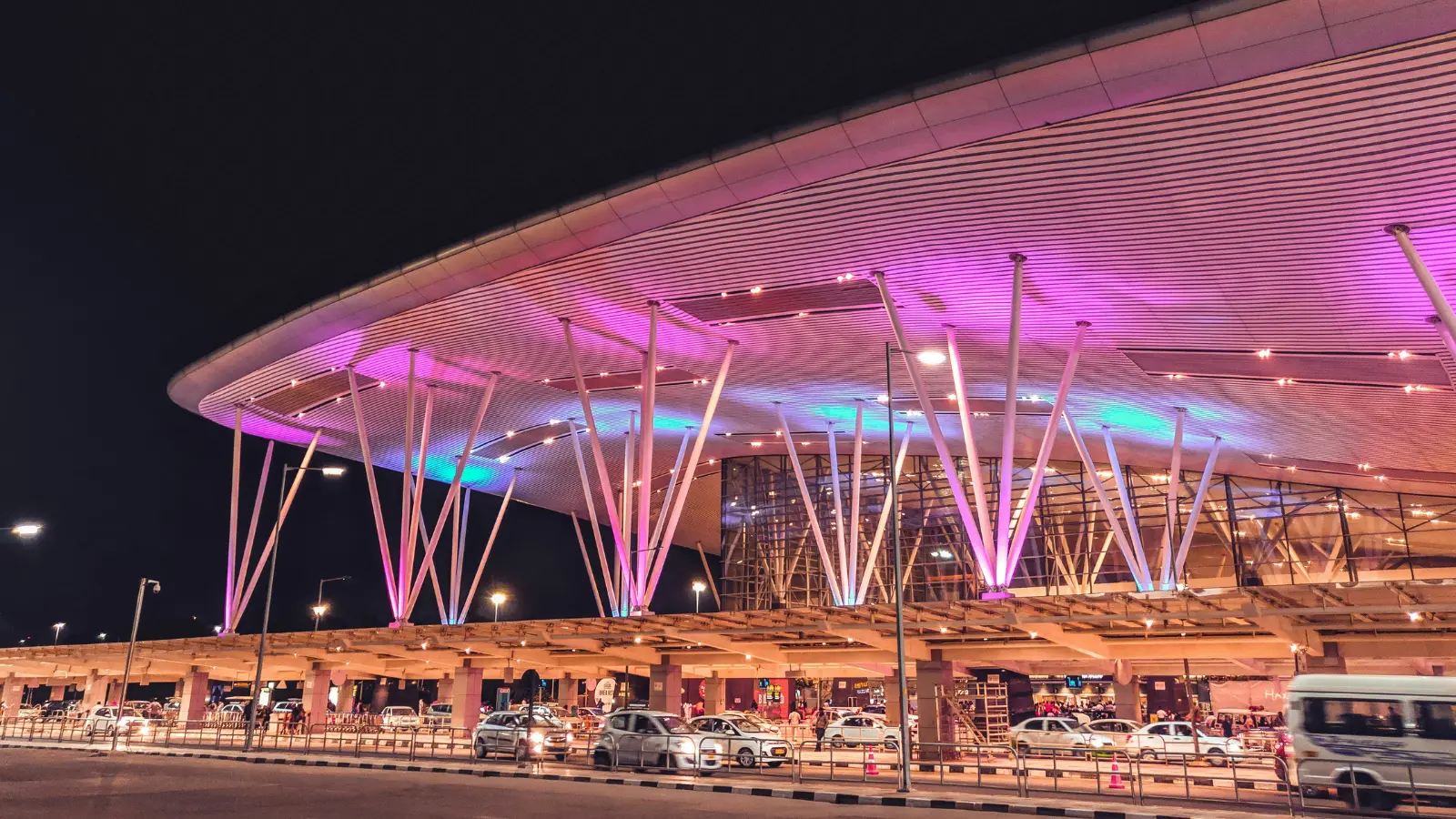
The Airport Economy: How KIA Is Reshaping North Bangalore
Bangalore Airport is driving North Bengaluru's growth through jobs, infrastructure and housing demand. Bettahalasuru benefits from this expanding airport economy, making it a strategic residential location.

Bangalore Smart City Initiatives & Their Real Estate Impact
Bangalore's smart city impact is driven by completed infrastructure, not announcements. North Bengaluru benefits from the airport, metro construction and road connectivity.