
Bangalore's GCC expansion is boosting North Bengaluru through leadership hiring, airport connectivity and sustained housing demand, making Bettahalasuru attractive for long-term villa investment.
Bangalore GCC growth property investment logic rests on a distinction most buyers miss. A global capability centre is not an outsourcing office. It is a company's own centre, staffed by its own people, running functions the parent considers core. That difference changes who moves to the city, at what seniority, and what housing they need - which is the whole reason this matters to a villa buyer.
Why the Distinction Matters
Outsourcing creates volume employment at junior levels and demand for affordable housing near campuses. A capability centre creates leadership roles - country heads, engineering directors, functional leads with global remits - because the parent is relocating decision-making rather than delegating tasks. Global capability centres real estate demand therefore skews upward in a way the earlier wave never did.
The Travel Consequence
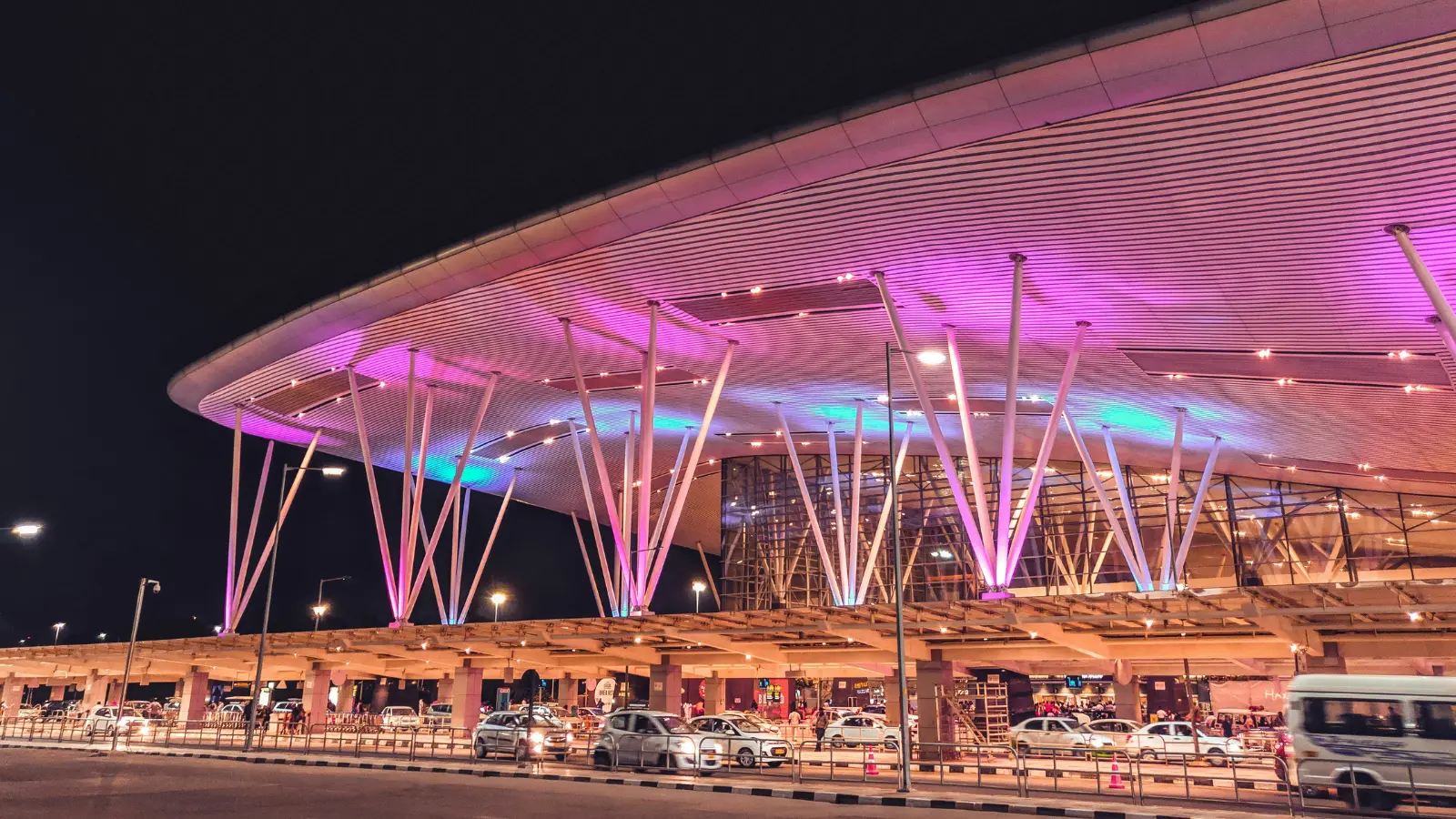
Here is the part that reaches the northern corridor directly. Senior capability centre leadership travels to headquarters regularly - monthly, sometimes weekly. That single behavioural fact makes airport proximity a housing criterion rather than a convenience. Kempegowda International Airport sits about 17 km from Bettahalasuru on the same side of the city, with no central crossing, which is why the belt attracts this cohort specifically.
GCC Jobs Housing Demand at the Top End
Two forms, and both matter. Purchase demand from executives settling long-term in Bengaluru, often after years abroad, who want land rather than a higher floor. And rental demand from corporate leases housing expatriate or relocating staff - which is what sustains Grade-A villa yields in this belt at roughly 3.5-4% of property cost semi-furnished and 4-4.5% furnished. Fewer than a hundred households need a 7,000 sft villa in any quarter, and this pool is a meaningful share of them.
Where the Corridor Sits
Employment anchors both ends. Manyata Business Park sits roughly 19 km south of Bettahalasuru down the Bellary Road corridor. Devanahalli Business Park is about 17 km north, with the KIADB Aerospace Park and Devanahalli SEZ at 20-22 km. Households working north travel away from the city rather than into it, which is the best commute available from this address and rare anywhere in Bengaluru.
The Price Evidence
Yelahanka led North Bengaluru on year-on-year capital appreciation in 2026 at roughly 21.5%. Devanahalli ran from about Rs 5,500 a sft in 2020 to Rs 11,000-13,000 in 2026, compounding near 13.5%. Villa rates across the airport belt moved from roughly Rs 4,200 a sft in 2019 to about Rs 12,000. Wider Bengaluru is forecast at around 10-12% growth in 2026, with this corridor expected to run ahead of the average.
The Structural Argument
Capability centres are stickier than outsourcing contracts. A parent that has relocated a core function and built leadership around it does not unwind that in a quarter - the switching cost is organisational rather than contractual. That relative permanence is why housing demand from this source behaves structurally rather than cyclically, and it is the strongest argument available for the corridor's medium-term direction.
The Caveats
Three, honestly. Capability centres are still corporate cost centres, and cost centres get reviewed when the parent struggles. Concentration in any single employment type carries risk however senior the roles. And a villa at Rs 25 crore has a buyer pool measured in dozens per quarter, so even strong demand does not make the asset liquid - exits take months rather than weeks.
What to Watch
Announcements are cheap; occupancy is not. Track which companies actually take space at Devanahalli Business Park and the aerospace belt, and at what seniority they are hiring. A corridor filling with decision-makers reprices differently from one filling with support functions, and the difference shows up in rents long before it shows up in a headline. Ask us what has been leased rather than what has been declared.
Why This Cohort Buys Land
A pattern worth naming. Bangalore GCC growth property investment demand at the top of the market comes disproportionately from people who have lived abroad - senior hires returning, capability centre leadership relocating, executives who spent a decade in Singapore or London. That cohort has usually owned apartments and concluded the next step is ground rather than a higher floor.
They also travel, which is why airport geography beats city-centre proximity in their calculations. A household flying monthly to headquarters weighs 17 km on the same side of the city against 17 km through it, and reaches the obvious conclusion. That single behaviour explains more about this belt's buyer profile than any amenity list.
The Corporate Lease Angle
Worth understanding if you may let the villa. Capability centres house relocating and expatriate staff, often on corporate leases with rent paid by the employer rather than the occupant. Those tenancies are typically well-documented, punctual and short - two to three years - which suits an owner who may want the house back. It is also why villa yields in this belt hold at roughly 3.5-4% semi-furnished despite ticket sizes that would collapse them elsewhere.
Related Articles

How Bangalore's IT Boom Keeps Driving Real Estate Demand
Bangalore's IT boom continues to shape North Bengaluru through employment, airport-led growth and diversified industries, strengthening long-term housing demand around Bettahalasuru.

Inside the Embassy Eden Clubhouse: Amenities for 95 Homes
Embassy Eden's clubhouse is designed for just 95 villas, offering spacious amenities, a pool, parks and wellness facilities with low crowding and walkable access.
The Airport Economy: How KIA Is Reshaping North Bangalore
Bangalore Airport is driving North Bengaluru's growth through jobs, infrastructure and housing demand. Bettahalasuru benefits from this expanding airport economy, making it a strategic residential location.

Bangalore Smart City Initiatives & Their Real Estate Impact
Bangalore's smart city impact is driven by completed infrastructure, not announcements. North Bengaluru benefits from the airport, metro construction and road connectivity.