
Embassy Eden provides the infrastructure for future home automation with robust power, HVAC, solar and EV readiness, allowing buyers to customise smart features later.
Start with the answer buyers actually need. Smart home features luxury villas advertise are not part of Embassy Eden's published specification - the schedule covers structure, finishes, fittings and services, and automation is not among them. Saying so plainly costs us a marketing line and saves you an argument in 2031. What the villa does provide is the infrastructure that makes automation practical later.
Why Specifications Omit It
This is more common at the top of the market than buyers expect, and there is a reason. A household spending Rs 25 crore on a 7,000-9,000 sft villa typically appoints its own interior designer and specifies automation to taste. Developer-fitted systems age badly, get ripped out at fit-out, and constrain choices the buyer would rather make themselves. Fitting a 2026 automation platform into a house handed over in 2031 is a questionable idea on its own terms.
What Is Actually Provided
The building blocks, which matter more than the interface. Centralised HVAC throughout. BESCOM sanction for 1,846 KVA backed by DG sets sized for full load, so 100% backup rather than lifts-and-corridors. Solar panels planned in every unit. EV charging provisioned at about a quarter of the 959 parking bays. Hydro-pneumatic water supply. Automation layered over that infrastructure works; automation over an inadequate electrical backbone does not.
Home Automation Villa Bangalore Buyers Typically Add
Four categories, in rough order of adoption. Lighting control, which is the entry point and the one people actually use daily. Climate scheduling, layered over the centralised HVAC already specified. Security - cameras, sensors, access control at the villa's own door rather than at the community gate. And audio-visual distribution, which on three floors plus a terrace is a genuinely useful thing rather than a gadget.
What to Plan at Fit-Out
Conduiting is the decision that cannot be reversed cheaply. Retrofitting cable through a finished 9,000 sft house across three levels means chasing walls and redoing finishes, which is why automation planning belongs at interior design stage rather than after possession. Discuss it with your designer before handover in December 2031 - the villa's structure is RCC framed, and chasing an RCC frame afterwards is not a small job.
The Question Worth Asking Any Developer
When a project does advertise a smart villa North Bangalore proposition, ask three things. Which specific systems, named on the specification rather than described in a brochure? Who maintains them after the defect liability period, and at whose cost? And what happens when the platform is obsolete in 2035 - is it replaceable, or is it embedded in the walls? Answers to those separate a genuine specification from a rendering.
Why This Page Exists
Because you would find out anyway, and finding out from us in 2026 is better than discovering it at handover. A specification that omits automation is not a deficiency at this ticket; it is a choice that leaves the decision with the household. Claiming smart features the schedule does not carry would be something else, and we would rather not be that page.
What Actually Ages Well
Consider the twenty-year view. Automation platforms turn over every five to seven years - the app stops updating, the manufacturer exits, the standard shifts. Structure, services and plant do not. An RCC frame designed to IS 456-2000 with seismic design to IS 1893 (Part 1) 2016, a 150 KLD treatment plant and 1,846 KVA of sanctioned power will still be doing their jobs when three generations of smart switches have been replaced.
Confirming It
Ask our team for the current specification schedule in writing rather than relying on this page or any other. If the position changes between now and handover, that document is what you hold the developer to - not a blog post, ours included. We will confirm the current state plainly rather than let you assume either way.
The Obsolescence Problem
Consider the timeline honestly. Smart home features luxury villas fit in 2026 will be running an obsolete platform by 2033 - the app stops updating, the manufacturer pivots, the standard shifts. A house handed over in December 2031 with 2026-era automation embedded in its walls has inherited a problem rather than a feature. That is the strongest argument for leaving the decision with the buyer, and it is rarely made out loud.
The sensible approach separates layers. Infrastructure - power, HVAC, conduiting, solar - should be generous and developer-provided, because retrofitting it is destructive. Devices and platforms should be late, buyer-chosen and replaceable. Specify the first at fit-out planning and the second as close to move-in as possible.
Related Articles

Bangalore, GCC Capital: What It Means for Property Investors
Bangalore's GCC expansion is boosting North Bengaluru through leadership hiring, airport connectivity and sustained housing demand, making Bettahalasuru attractive for long-term villa investment.

Bangalore Smart City Initiatives & Their Real Estate Impact
Bangalore's smart city impact is driven by completed infrastructure, not announcements. North Bengaluru benefits from the airport, metro construction and road connectivity.
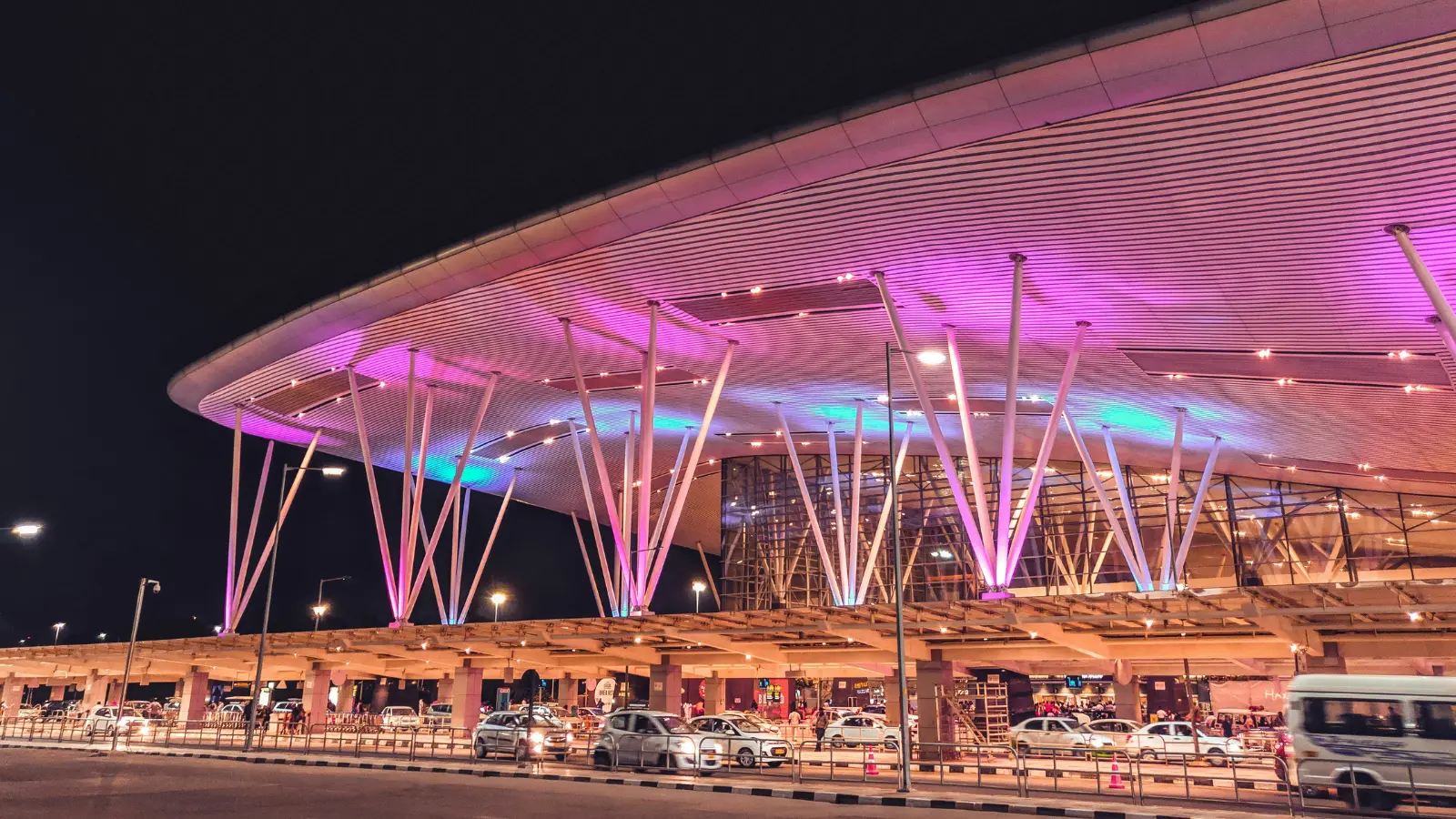
The Airport Economy: How KIA Is Reshaping North Bangalore
Bangalore Airport is driving North Bengaluru's growth through jobs, infrastructure and housing demand. Bettahalasuru benefits from this expanding airport economy, making it a strategic residential location.

How Bangalore's IT Boom Keeps Driving Real Estate Demand
Bangalore's IT boom continues to shape North Bengaluru through employment, airport-led growth and diversified industries, strengthening long-term housing demand around Bettahalasuru.