
Compare North and East Bangalore across infrastructure, employment, connectivity, lifestyle, and property trends to find the location that best suits your needs.
Is North Bangalore better than East Bangalore? Wrong question, honestly. The two zones answer different briefs, and the buyer who asks which is better usually means which suits me - a question only they can answer. What follows is the structural comparison, with the north's figures stated and the east's characteristics described rather than invented.
What Each Zone Is Built On
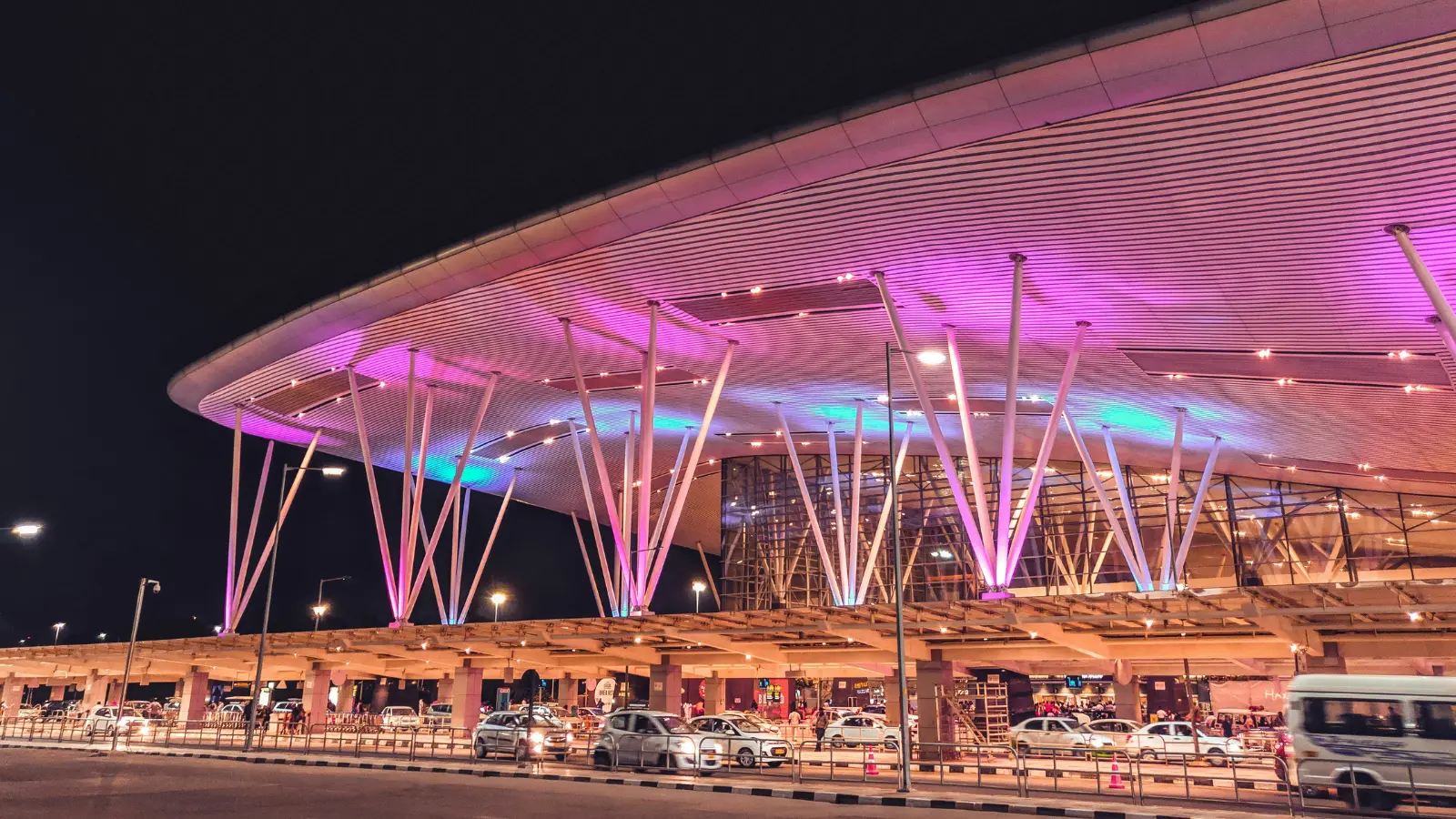
East Bengaluru grew on IT. Decades of technology employment along the Whitefield and outer ring corridors created a dense, mature residential market with retail, schools and hospitals that arrived alongside the offices. The north grew on an airport. Kempegowda International opened, the roads followed, and employment migrated towards the terminals afterwards. One zone matured over thirty years; the other is doing it in fifteen.
The North's Numbers
Yelahanka led North Bengaluru on year-on-year capital appreciation in 2026 at roughly 21.5%. Devanahalli has moved from about Rs 5,500 a sft in 2020 to Rs 11,000-13,000 in 2026, compounding near 13.5%. Villa rates across the airport belt ran from roughly Rs 4,200 a sft in 2019 to about Rs 12,000. Wider Bengaluru is forecast at around 10-12% price growth in 2026, with the airport corridor expected to run ahead of the city average.
North Bangalore vs East Bangalore Property: The Real Axes
Compare on four things rather than on sentiment. Employment type - the east is IT-weighted, the north skews towards aerospace, logistics, global capability centres and the airport economy. Maturity - the east has its retail and healthcare in place, the north does not everywhere. Supply - the east is largely built out, the north still holds developable land, though large villa parcels inside the airport belt are close to gone. And infrastructure direction - the north has an airport, a metro line under construction and the STRR arriving together.
Where the North Loses
Healthcare and retail density, plainly. In the Bettahalasuru belt hospitals sit 15-17 km out and groceries mean a drive to Yelahanka or Hebbal. The east answers both better in most pockets. Anyone whose work sits in the eastern corridor will also find the north a poor trade - crossing Bengaluru daily is not a lifestyle choice worth making for a garden.
Where the North Wins
Airport access without a central crossing, roughly 17 km from Bettahalasuru. School catchment: Stonehill at 1.5 km, Vidyashilp at 5 km, Canadian International at 7 km. Land at densities the east cannot offer - three homes an acre is not available in a built-out corridor. And a forward infrastructure pipeline that is under construction rather than announced.
The Best Zone to Buy Home Bangalore Offers
There is not one, and any source claiming otherwise is selling. The best zone to buy home Bangalore has is the one your week actually fits. Work in the east, buy east. Fly weekly, run school runs and want land, buy north. Do the drive at 8:30 am on a Tuesday from both options before you sign anything - that single test settles more arguments than any comparison table, this one included.
The Question Behind the Question
Buyers asking is North Bangalore better than East Bangalore are usually asking something else: where will my money grow faster? That version has a cleaner answer. The north currently carries more infrastructure arriving at once - Terminal 2 delivered, Namma Metro's Blue Line under construction, the STRR progressing, aerospace and global capability centre employment building at 17-22 km. Concentrated change tends to move prices harder than incremental change does.
Against that, the east starts from a higher base with deeper liquidity. More transactions means easier exits and tighter spreads. Growth from a low base looks impressive in percentages and carries wider variance. Choose accordingly: the north for the curve, the east for the depth.
A Test That Settles It
Forget the zones. Write down where your household actually needs to be on an ordinary week - offices, schools, parents, airport, hospital - and drive to each from both shortlists at the hour you would really travel. Whichever list produces fewer bad mornings wins, regardless of which direction it faces. Buyers who choose a zone first and rationalise the commute afterwards are the ones who sell in three years, usually at the wrong point in the cycle and usually while explaining that the area simply did not work out.
Related Articles

Bangalore, GCC Capital: What It Means for Property Investors
Bangalore's GCC expansion is boosting North Bengaluru through leadership hiring, airport connectivity and sustained housing demand, making Bettahalasuru attractive for long-term villa investment.

Bangalore Smart City Initiatives & Their Real Estate Impact
Bangalore's smart city impact is driven by completed infrastructure, not announcements. North Bengaluru benefits from the airport, metro construction and road connectivity.
The Airport Economy: How KIA Is Reshaping North Bangalore
Bangalore Airport is driving North Bengaluru's growth through jobs, infrastructure and housing demand. Bettahalasuru benefits from this expanding airport economy, making it a strategic residential location.

How Bangalore's IT Boom Keeps Driving Real Estate Demand
Bangalore's IT boom continues to shape North Bengaluru through employment, airport-led growth and diversified industries, strengthening long-term housing demand around Bettahalasuru.