
Government policies and RERA strengthen buyer protection in Bangalore real estate through escrow, approvals, quarterly disclosures and regulatory compliance.
Government policies Bangalore real estate 2026 operates under are worth understanding for one narrow reason: they determine what a buyer can enforce. Most policy commentary is speculative and most of it ages badly. What follows concentrates on the framework that actually attaches to a purchase, and specifically to this one - because that is the part you can use rather than discuss.
RERA Is the Load-Bearing Wall
The Real Estate (Regulation and Development) Act, 2016 changed the buyer's position more than any other measure of the last two decades. Before it, a developer's promises were commercial. After it, several became statutory. RERA impact Bangalore has absorbed is visible in the paperwork rather than in the marketing, which is exactly where a buyer should be looking.
What It Actually Obliges
Four things with teeth. Registration under Section 5 before a project can be marketed or sold - here, PRM/KA/RERA/1251/472/PR/311225/008368, valid to 31 December 2031. Escrow under Section 4: seventy percent of amounts realised must sit in a separate account, drawn only against construction and land cost. Quarterly status filings within fifteen days of each quarter's end. And an agreement for sale under Rule 8A of the Karnataka rules, with any contradicting clause void from the outset.
Real Estate Policy Karnataka Adds Locally
State rules layer onto the central Act. The Karnataka rules govern the agreement for sale and the registration mechanics. Plans are sanctioned by the Bangalore Development Authority - here, 06/2025-26 dated 16 May 2025, following a development plan of 5 February 2025 and change of land use under CLU-77/2519/2024-25. Registration at the sub-registrar requires physical presence, which is why absentee buyers appoint a power of attorney.
The Environmental Layer
Often overlooked and genuinely consequential. SEIAA Karnataka issued environmental clearance EC24C3801KA5787247N on 1 January 2025, carrying conditions that continue through construction and operation. The Karnataka State Pollution Control Board granted consent to establish CTE-346392 on 10 December 2024, valid to 9 December 2029, which covers the 150 KLD treatment plant specifically. Those conditions are enforceable rather than voluntary, and compliance reporting is ongoing.
What Policy Does Not Do
Set expectations correctly here. RERA does not certify construction quality, guarantee a completion date will hold, or vouch for a specification. It creates recourse and a public record. A registered project can still slip; the filings simply document it when it does. Buyers who treat registration as a quality mark have over-read a compliance regime, and that misreading is common enough to be worth naming.
Policy Changes, So Verify Rather Than Assume
Tax provisions, stamp duty rates, deduction limits and state incentives move with budgets and notifications. Anything quoted about them on any page, including this one, should be checked against the current position with a qualified adviser before you act. We are not advisers, and a blog post is a poor substitute for someone who reads the gazette for a living.
How to Use the Framework
Three practical steps that cost nothing. Pull the RERA entry yourself on the Karnataka portal rather than accepting a screenshot. Read four consecutive quarterly filings rather than the latest in isolation, because a trend is information and a snapshot is not. And read the agreement for sale properly before signing - clauses contradicting the Act are void, but clauses you did not notice still govern the next five years.
The Buyer's Advantage
Regulation shifted the burden of proof, and most buyers never collect. Every claim made about this project traces to a public register: RERA, the BDA sanction, the environmental clearance, the pollution control board consent, the Airports Authority of India height NOC, the BESCOM sanction for 1,846 KVA. Ask us for any of them and we will point you at the source rather than paraphrase it.
The Escrow Clause, Explained Properly
Of everything in government policies Bangalore real estate 2026 rests on, Section 4 is the provision that most changes a buyer's downside. Seventy percent of amounts realised must sit in a separate account, withdrawable only against construction and land cost, certified by an engineer, an architect and a chartered accountant. Before that rule, a developer could fund site B from site A's collections, and buyers at site A discovered it when work stopped.
It does not make delay impossible - money can be correctly spent on a project that still runs late. What it makes far less likely is abandonment, which is the failure mode that actually ruins a buyer. That distinction is the single most useful thing to understand about the regulation.
What Changed for Buyers
Three things worth knowing. Carpet area is now defined statutorily rather than by whoever wrote the brochure. Any clause in an allotment or possession letter contradicting the Act is void from the outset, regardless of what you signed. And a promoter cannot alter sanctioned plans without allottee consent at prescribed thresholds. Buyers who know those three negotiate differently from those who do not.
Related Articles

Bangalore, GCC Capital: What It Means for Property Investors
Bangalore's GCC expansion is boosting North Bengaluru through leadership hiring, airport connectivity and sustained housing demand, making Bettahalasuru attractive for long-term villa investment.

Bangalore Smart City Initiatives & Their Real Estate Impact
Bangalore's smart city impact is driven by completed infrastructure, not announcements. North Bengaluru benefits from the airport, metro construction and road connectivity.
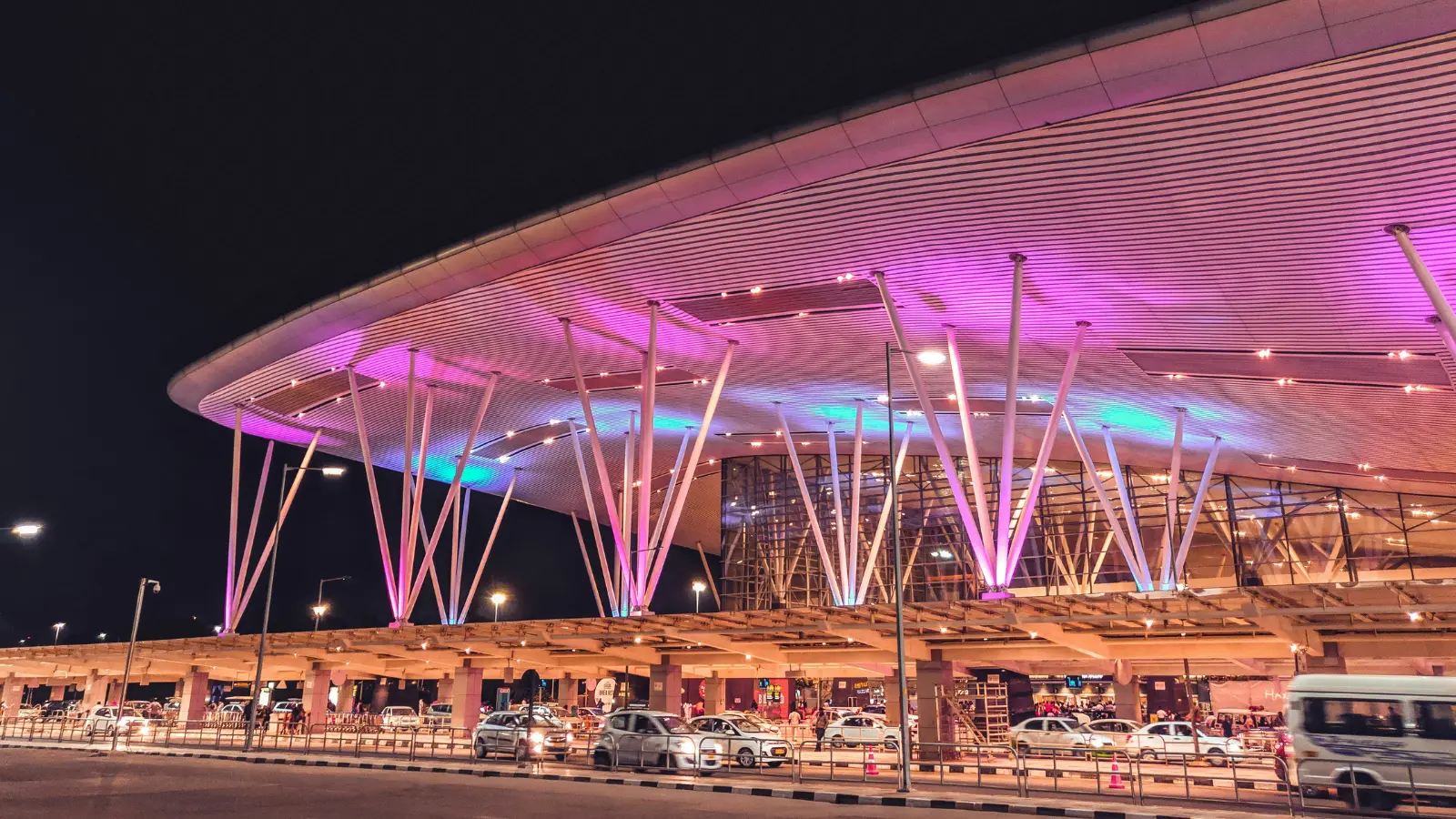
The Airport Economy: How KIA Is Reshaping North Bangalore
Bangalore Airport is driving North Bengaluru's growth through jobs, infrastructure and housing demand. Bettahalasuru benefits from this expanding airport economy, making it a strategic residential location.

How Bangalore's IT Boom Keeps Driving Real Estate Demand
Bangalore's IT boom continues to shape North Bengaluru through employment, airport-led growth and diversified industries, strengthening long-term housing demand around Bettahalasuru.