
Compare Embassy Springs and Embassy Eden to understand how township living differs from a low-density villa community in terms of space, density, amenities, privacy and long-term lifestyle.
The Embassy Springs integrated township at Devanahalli runs to 288 acres, which makes it roughly ten times the size of Embassy Eden. Comparing the two teaches a buyer more about what they actually want than any feature list, because the difference is not scale - it is philosophy.
What a Township Is
Township development plans a piece of city rather than a community. Plots and homes across phases, internal retail, schools, healthcare and open space, delivered over a decade or more. Embassy township Devanahalli sits inside the airport corridor and carries the format's characteristic strengths: everything you need inside the boundary, eventually, and a masterplan that anticipates a population rather than 95 households.
How Eden Is Different
Ninety-five villas across roughly 30 acres at about three homes an acre, with FAR at 0.583 against a permitted 2.50. No phases, no future land, and no retail inside the boundary. The entire community is what you see on the sanctioned plan of 16 May 2025, and it cannot grow. Where a township offers a life inside the gates, Eden offers land and quiet and expects you to drive to Yelahanka for the rest.
The Trade-Off
Townships give you amenity depth and take away certainty about the view. Phase four arrives where the open ground is, because that was always the plan, and buyers who did not read the masterplan carefully are surprised. A closed 95-home community gives you certainty and takes away the internal retail, the on-site school and the population that makes those viable. Neither model is better; they answer different questions.
Density Is the Real Divide
Any embassy township North Bangalore offers has to work at township densities to fund its own infrastructure - a school, a retail street and a healthcare facility need residents to sustain them, and residents mean units. That arithmetic is unavoidable. Eden's 0.583 FAR buys space precisely by refusing that trade, which is why it has a clubhouse rather than a high street. Buyers should decide which they actually want before comparing brochures.
Who Each Suits
Township buyers tend to want the whole apparatus inside the boundary - schools their children walk to, retail they do not drive to, and neighbours in the hundreds. Villa buyers at three homes an acre want the opposite: distance, quiet and a garden that wraps the house. Households with young children often prefer the first. Buyers valuing privacy and land usually choose the second.
The Investment Difference
Townships carry more supply, which means choice, competitive pricing and deeper liquidity - more comparable transactions make exits easier. Closed communities carry scarcity, which supports price and thins liquidity. Devanahalli has moved from roughly Rs 5,500 a sft in 2020 to Rs 11,000-13,000 in 2026. Yelahanka led North Bengaluru on appreciation in 2026 at about 21.5%. Both belts work; they work differently.
How to Choose
Visit both and pay attention to what you notice. If you find yourself looking for the amenities, buy the township. Where you catch yourself measuring the distance to the next house, buy the villa. Our team can arrange a morning that covers both formats, and most buyers know within an hour which one they were actually looking for.
Phasing, the Detail That Bites
Buyers comparing the Embassy Springs integrated township against a closed community consistently underweight one thing: phasing changes your surroundings for a decade. A township delivers over years, which means construction traffic, changing views and amenities that arrive when the population justifies them rather than when you move in. That is not a flaw - it is how the format funds itself - but it should be read in the masterplan rather than discovered.
A 95-villa community at three homes an acre has none of that upside or downside. Everything is in the sanctioned plan of 16 May 2025 and nothing follows. What you see when you take keys in 2031 is what exists in 2041, because there is no phase two and no land to build it on.
Which Question Are You Answering
Townships answer 'where should my family live for twenty years'. Closed low-density communities answer 'where can I own land with a house on it, near a school and an airport'. Those sound similar and are not. Buyers who want a walkable internal world with retail and neighbours should take the township seriously and stop reading villa brochures. Anyone who came here for distance and a garden should stop comparing amenity lists, because the thing they want is the absence of them.
Related Articles

Bangalore, GCC Capital: What It Means for Property Investors
Bangalore's GCC expansion is boosting North Bengaluru through leadership hiring, airport connectivity and sustained housing demand, making Bettahalasuru attractive for long-term villa investment.

Bangalore Smart City Initiatives & Their Real Estate Impact
Bangalore's smart city impact is driven by completed infrastructure, not announcements. North Bengaluru benefits from the airport, metro construction and road connectivity.
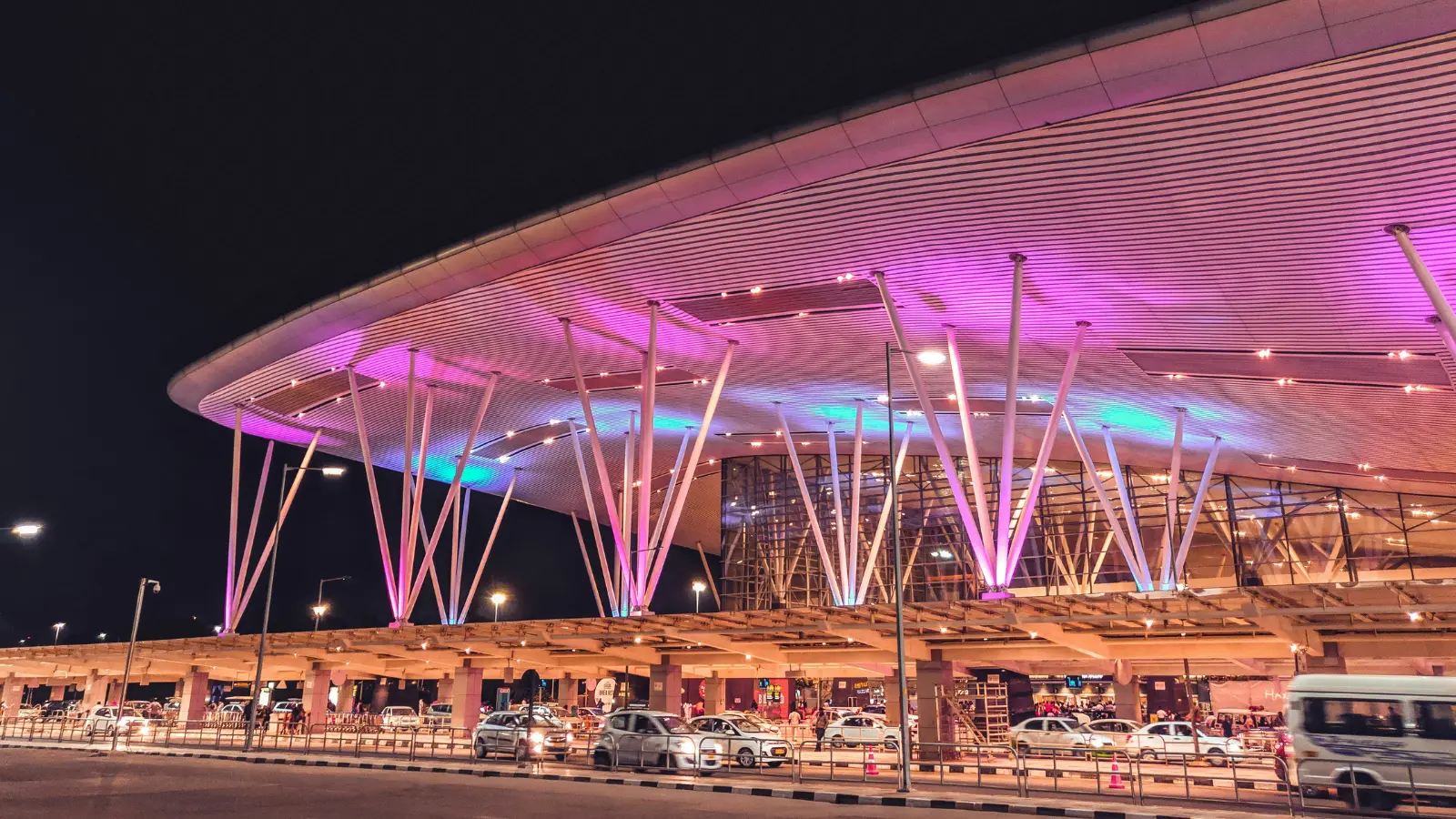
The Airport Economy: How KIA Is Reshaping North Bangalore
Bangalore Airport is driving North Bengaluru's growth through jobs, infrastructure and housing demand. Bettahalasuru benefits from this expanding airport economy, making it a strategic residential location.

How Bangalore's IT Boom Keeps Driving Real Estate Demand
Bangalore's IT boom continues to shape North Bengaluru through employment, airport-led growth and diversified industries, strengthening long-term housing demand around Bettahalasuru.