
Embassy Group's three-decade legacy spans commercial and residential developments, with completed villa communities and a strong track record in North Bengaluru.
The Embassy Group real estate legacy runs to more than a hundred million square feet since 1993, which is a number large enough to mean very little on its own. What matters to a buyer at a Rs 25 crore ticket is narrower: has this developer built this kind of thing, in this belt, and finished it. That question has a better answer than the headline does.
The Scale, Briefly
Over 100 million sft delivered or managed across commercial, residential, hospitality, services, retail and education. Twenty-two-plus cities including Bengaluru, Mumbai, Delhi-NCR, Chennai, Pune and Hyderabad, with completed work in Serbia and Malaysia. Homes account for more than 21 million sft of that in South India alone. A land bank above 1,700 acres. Those figures describe capacity rather than quality, and buyers should read them that way.
Embassy Group History Bangalore Buyers Should Know
The group built its reputation on commercial work before residential. Embassy TechVillage was India's first LEED-Platinum IT SEZ. Manyata Business Park and GolfLinks host global occupiers across Grade-A campuses. That commercial discipline matters more than it sounds - office tenants audit buildings annually, sue over service levels and leave when things fail. Developers who survive that scrutiny build differently from those who only ever sold to individuals.
The Residential Record
Homes came later and the list is legible. Embassy Boulevard, a completed villa community in the same northern belt as this project. Then Embassy Springs at Devanahalli, a 288-acre integrated township. Beyond those sit Embassy Grove, Embassy Lake Terraces, Embassy Edge, Embassy Verde and Embassy Sky Terraces. The active residential portfolio carries IGBC Green Home ratings at Gold or Platinum level. Read together, the Embassy developments track record shows a group that has built villas at scale before rather than one attempting the format for the first time.
The Institutional Layer
Three things separate this from a family developer. Blackstone has partnered the group since 2012, and Warburg Pincus is a partner at group and project level. The group sponsored Embassy Office Parks REIT in 2019 - India's first listed REIT and Asia's largest office REIT by area - which imposed institutional governance across the platform. And the residential arm now trades publicly as Embassy Developments Limited, filing quarterly.
The School Detail
Stonehill International School sits roughly 1.5 km from this site on a 34-acre campus, founded in 2008 by the group's chairman. That single fact explains why the neighbourhood's social infrastructure arrived ahead of its residential density - the schools were standing before the villas were drawn. It is history rather than marketing, and it does more to explain the belt's settlement pattern than any brochure line could.
What a Record Does Not Guarantee
Here is the counterweight, and it belongs on this page. A long history reduces execution risk; it does not eliminate it. Embassy Developments Limited carries the legacy balance-sheet transition of its predecessor entities - the company was formed from what was previously Equinox India Developments and, before that, Indiabulls Real Estate. Any buyer committing Rs 25 crore should read the latest quarterly filing rather than accept a paragraph like this one.
How to Use the Legacy
Treat it as one input among four. The developer's record, the project's approval stack, the corridor's fundamentals and your own horizon all matter, and only the first is about history. Walk Embassy Boulevard, which is complete and occupied, and judge the finish yourself. Read the filings. Then decide - because a thirty-year record is evidence rather than a promise, and the villa you buy will be built by the team on site in 2029, not by the one that built TechVillage in 2015.
What Thirty Years Buys a Buyer
Reduce the Embassy Group real estate legacy to the three things that actually reduce your risk. Supply-chain depth: a developer building continuously since 1993 has contractor relationships that survive a bad quarter, which matters when a five-year programme hits a material shortage. Institutional memory: mistakes made at Boulevard inform Eden, and low-density villa layouts are unforgiving of the ones you have not made yet. And balance-sheet capacity to finish a project that stops selling.
That third one is the quiet argument for scale. Small developers fail when sales pause, because construction is funded from collections. A group carrying a 1,700-acre land bank, listed equity and institutional partners has other options. It does not make delay impossible; it makes abandonment far less likely, and abandonment is the risk that actually ruins a buyer.
Reading a Track Record Sceptically
Ask three questions of any developer's history, ours included. How much of the delivered volume is the format you are buying - here, villas are a narrow slice of a mostly commercial and apartment record. Then ask how recent the relevant delivery is, since a team that built well in 2012 may not be the team on site in 2029. And what happened to the projects nobody mentions? A record with no misses in thirty years is a record someone has tidied for you.
Related Articles

Bangalore, GCC Capital: What It Means for Property Investors
Bangalore's GCC expansion is boosting North Bengaluru through leadership hiring, airport connectivity and sustained housing demand, making Bettahalasuru attractive for long-term villa investment.
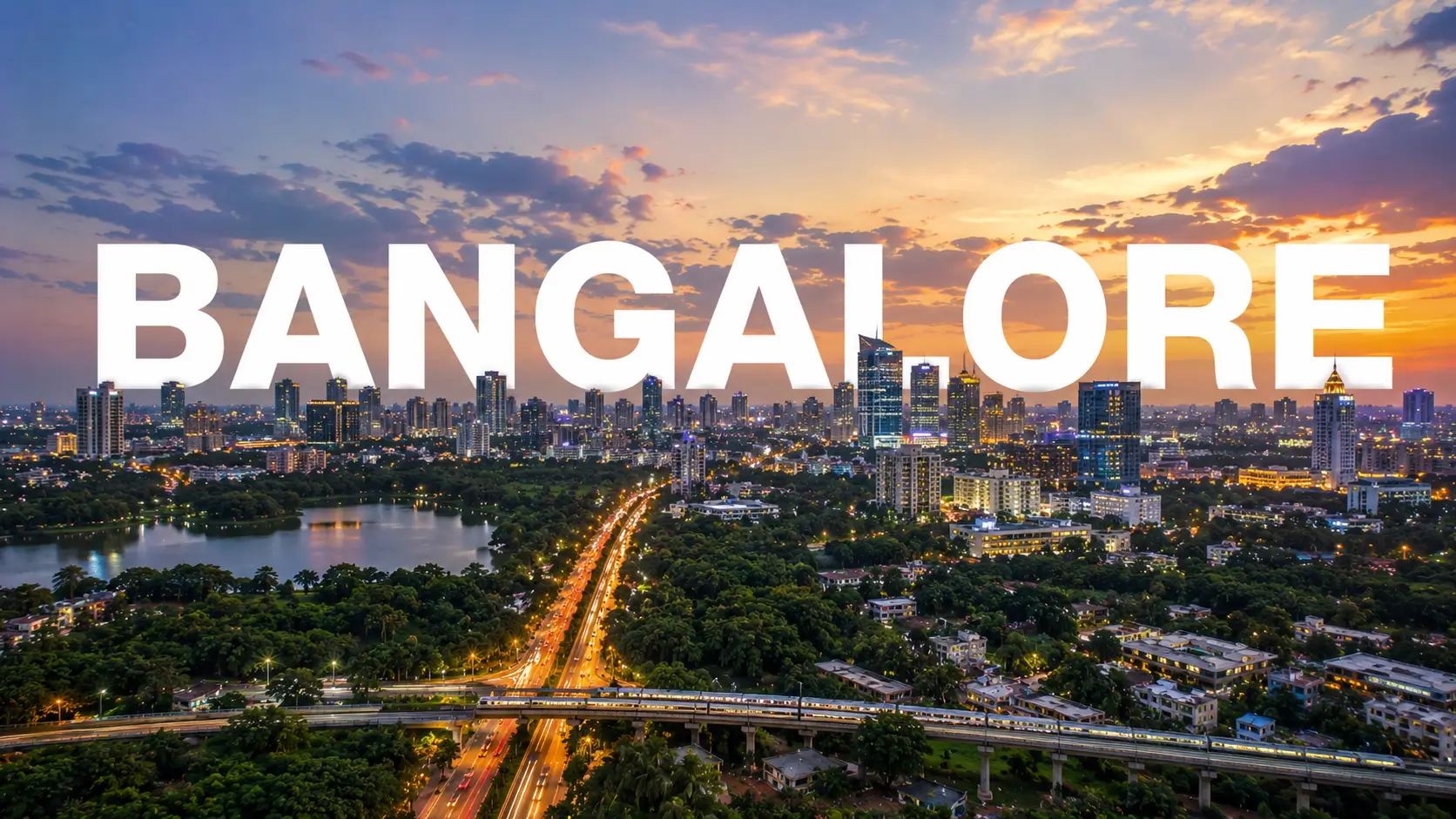
Bangalore Smart City Initiatives & Their Real Estate Impact
Bangalore's smart city impact is driven by completed infrastructure, not announcements. North Bengaluru benefits from the airport, metro construction and road connectivity.
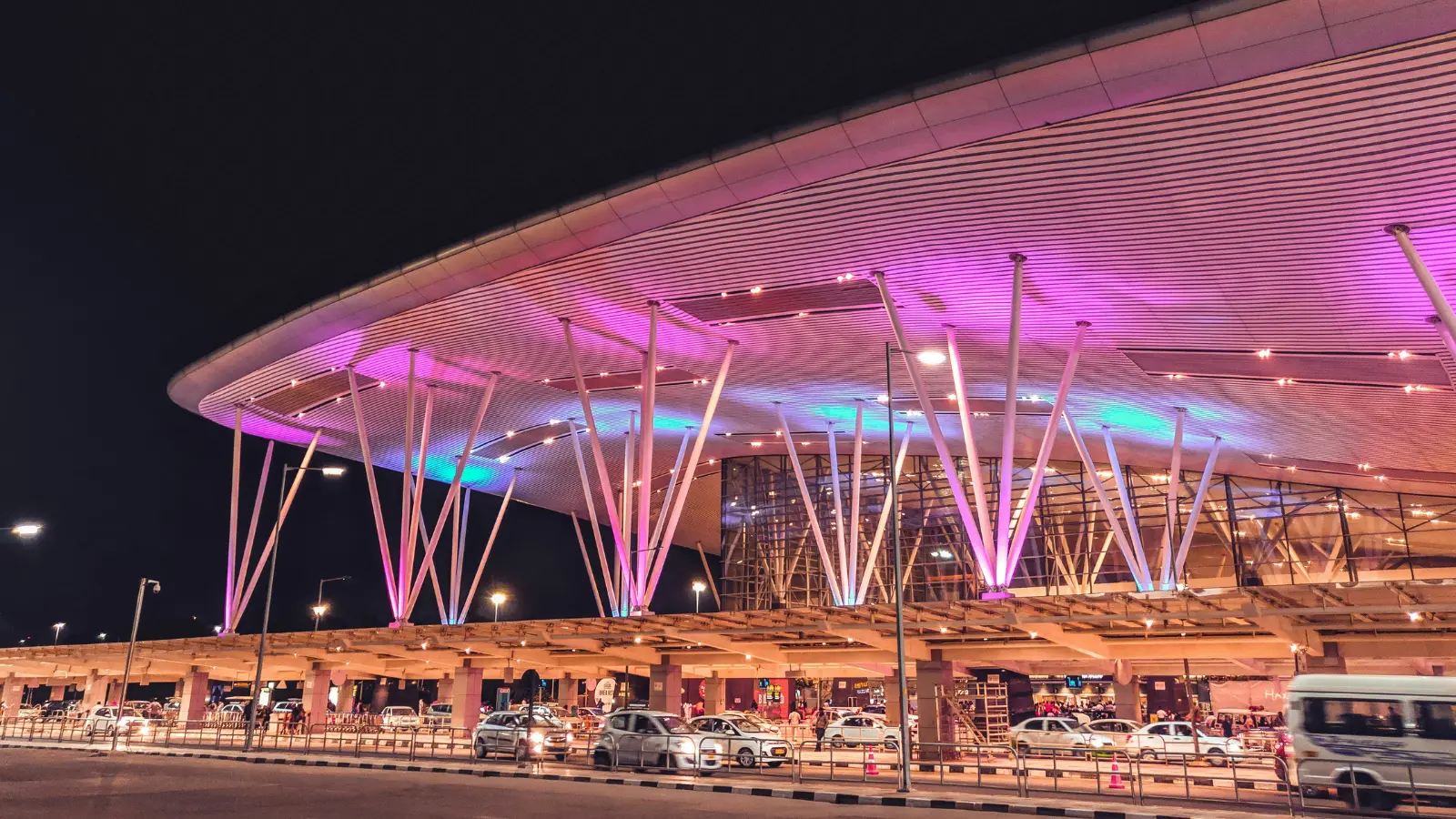
The Airport Economy: How KIA Is Reshaping North Bangalore
Bangalore Airport is driving North Bengaluru's growth through jobs, infrastructure and housing demand. Bettahalasuru benefits from this expanding airport economy, making it a strategic residential location.

How Bangalore's IT Boom Keeps Driving Real Estate Demand
Bangalore's IT boom continues to shape North Bengaluru through employment, airport-led growth and diversified industries, strengthening long-term housing demand around Bettahalasuru.