
Compare Bettahalasuru and Yelahanka for villa living, covering space, connectivity, schools, lifestyle, infrastructure, and long-term real estate prospects.
Bettahalasuru vs Yelahanka for villas is a comparison between a town and its edge, which makes it different from most locality face-offs. Yelahanka town is roughly 8 km from Bettahalasuru and has been an established suburb for decades. Bettahalasuru is where the land still exists in the sizes villa communities need. That single sentence explains most of what follows.
Maturity Against Space
Yelahanka gives you a functioning town: retail, restaurants, a railway station, hospitals closer than the belt beyond it, and decades of settled infrastructure. Bettahalasuru gives you land. Villa plots at 7,000 sft and communities at three homes an acre simply cannot be assembled inside a built-out suburb, which is why the format migrated outward. Choosing between them is choosing between convenience and space, and both are legitimate.
Price
Yelahanka apartments run roughly Rs 6,500-13,000 a sft, and the locality led North Bengaluru on year-on-year capital appreciation in 2026 at roughly 21.5%. Villa rates across the wider airport belt have moved from about Rs 4,200 a sft in 2019 to around Rs 12,000. On any yelahanka vs bettahalasuru property comparison the town commands a premium for convenience while the belt commands one for scarcity - and the scarcity premium has been growing faster.
Schools
Neither side loses this one, which surprises people. Stonehill International sits about 1.5 km from Bettahalasuru, Vidyashilp Academy about 5 km and Canadian International about 7 km - all serving both catchments. Sir M. Visvesvaraya Institute of Technology is roughly 4 km out. Families sometimes assume the town holds the school advantage; on this axis the belt is at least equal and often closer.
Traffic and Access
Yelahanka carries town traffic; Bettahalasuru does not, and that is the daily difference. Both reach Bellary Road and the NH-44 corridor, both sit about 17-19 km from the terminals and Manyata respectively, and both fall inside the Namma Metro Blue Line's corridor. Bettahalasuru trades a slightly longer run to retail for streets that stay quiet, which at three homes an acre is the entire proposition.
The North Bangalore Villa Location Question
Any north bangalore villa location worth considering has to answer for healthcare, and neither side answers well. From Bettahalasuru, Manipal at Doddaballapur is about 15 km and Aster CMI at Hebbal roughly 16-17 km. Yelahanka improves that marginally rather than materially. Buyers who need a hospital within ten minutes should look elsewhere entirely, and no amount of corridor enthusiasm changes it.
How to Decide
Ask what you are optimising. If daily convenience, walkable errands and a shorter hospital run matter most, Yelahanka town wins and you accept smaller formats. Where land, privacy and a twenty-year hold matter most, the belt wins and you accept the drive. Households with school-age children and an airport-heavy week tend to land on the belt. Drive both, at the same hour, on the same day.
The Format Question Underneath
Bettahalasuru vs Yelahanka for villas is really a question about what a villa is for. Inside a town, villa communities compress: smaller plots, higher density, boundary walls closer than the brochure implies. Out in the belt, land economics allow three homes an acre and 7,000 sft footprints. If the point of buying a villa is the land around it, the belt is the only place the format works properly.
Which reframes the premium. Paying more per sft in Yelahanka town buys convenience and a smaller garden. Pay comparably in the belt and you buy the garden while losing the convenience. Neither is a discount; they are different products wearing the same label, and the word 'villa' does a lot of unhelpful work in between.
How the Two Will Diverge
Yelahanka town is largely built out, so its price growth will track demand against fixed supply - steady, defensible, unspectacular. The belt beyond it still has land, which means more product arriving and more competition for a decade, offset by the fact that large low-density parcels are gone. Expect the town to be the safer hold and the belt to carry more of both the upside and the variance. Households buying to live rather than to trade should weight the format question hardest, because a garden you use every day compounds differently to a spread you might capture once.
Related Articles

Bangalore, GCC Capital: What It Means for Property Investors
Bangalore's GCC expansion is boosting North Bengaluru through leadership hiring, airport connectivity and sustained housing demand, making Bettahalasuru attractive for long-term villa investment.

Bangalore Smart City Initiatives & Their Real Estate Impact
Bangalore's smart city impact is driven by completed infrastructure, not announcements. North Bengaluru benefits from the airport, metro construction and road connectivity.
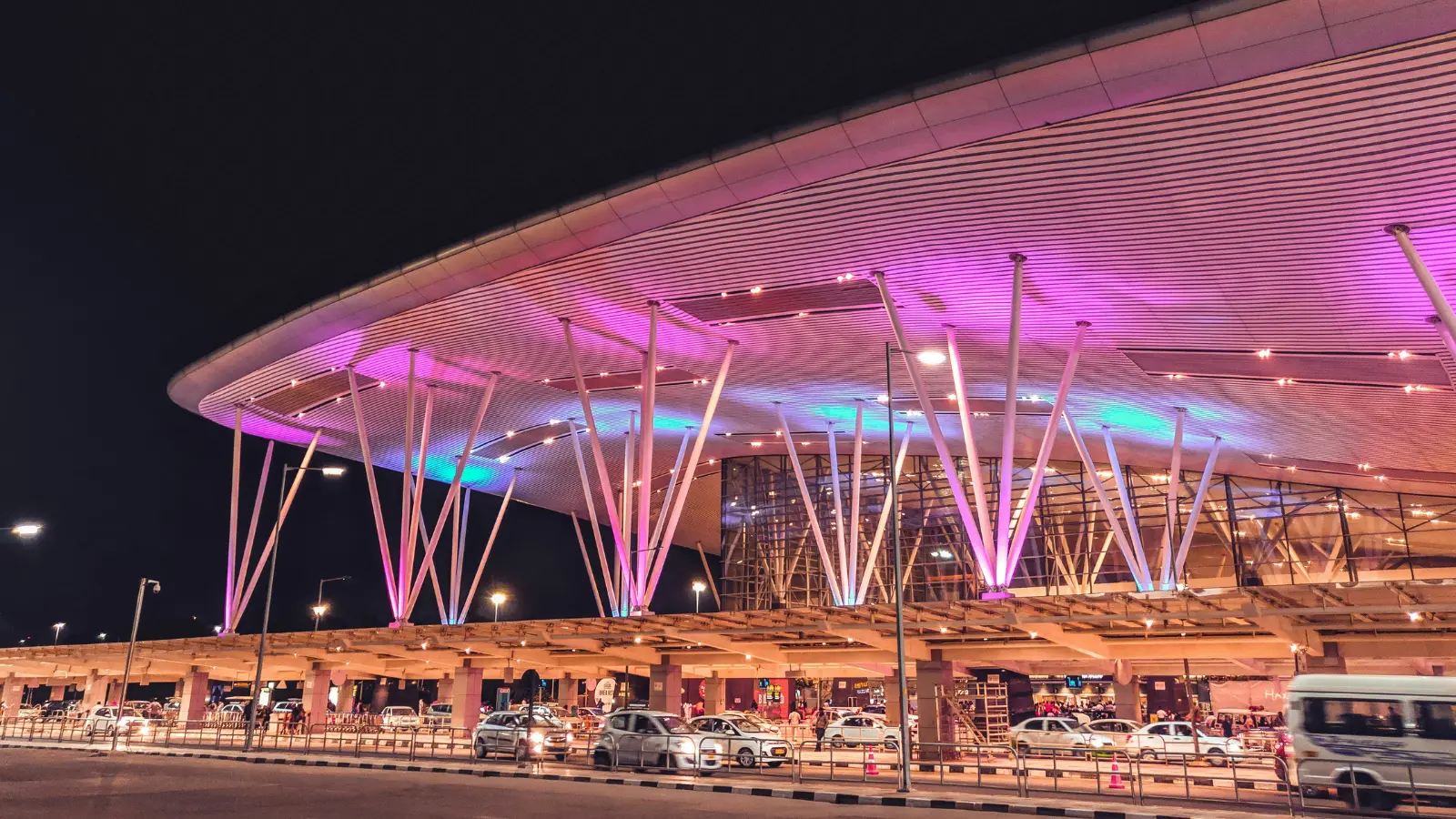
The Airport Economy: How KIA Is Reshaping North Bangalore
Bangalore Airport is driving North Bengaluru's growth through jobs, infrastructure and housing demand. Bettahalasuru benefits from this expanding airport economy, making it a strategic residential location.

How Bangalore's IT Boom Keeps Driving Real Estate Demand
Bangalore's IT boom continues to shape North Bengaluru through employment, airport-led growth and diversified industries, strengthening long-term housing demand around Bettahalasuru.